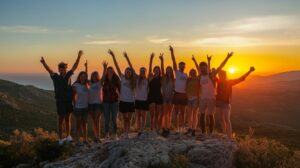
Spain has long captured the imagination of travellers seeking both adventure and purpose, blending sun-drenched landscapes with a vibrant cultural tapestry. For those wishing to immerse themselves in this Mediterranean gem whilst contributing positively to local communities and the environment, the country presents an array of enriching experiences. From the bustling streets of Barcelona to the tranquil hills of Galicia, individuals of all ages and backgrounds can find meaningful ways to engage with Spanish society, develop new skills, and forge lasting connections.
Exploring diverse volunteering programmes across spain
The sheer variety of volunteer opportunities in spain ensures that nearly anyone can discover a project aligned with their interests and abilities. Whether your passion lies in supporting animal welfare, promoting sustainable agriculture, or helping young learners develop their language skills, the country offers a wealth of programmes designed to create positive change. Many of these initiatives provide free accommodation and meals, making them accessible to those on a modest budget. This approach not only reduces financial barriers but also fosters genuine cultural exchange, as volunteers live and work alongside local communities.
Community-Based Projects in Spanish Cities and Villages
Urban centres such as Barcelona, Valencia, and Bilbao serve as hubs for volunteering programmes that address a range of social and educational needs. In Bilbao, for instance, Instituto Hemingway welcomes participants aged fourteen and over to combine a Spanish language course with volunteer work, creating a holistic experience that enhances both linguistic proficiency and cultural understanding. Volunteers can assist as English teacher assistants for children, supporting local schools in their mission to equip young learners with essential language skills. This type of engagement not only benefits the students but also allows volunteers to refine their teaching methods and gain insight into the Spanish education system.
Beyond the classroom, there are opportunities to contribute to social media and marketing efforts for community organisations, helping to amplify their digital presence and reach wider audiences. Those with an interest in sports can work alongside local coaches as football community supporters, fostering teamwork and physical activity among young people. Art therapy programmes offer another avenue for volunteers to make a meaningful impact, particularly when working with mentally challenged students who benefit from creative expression and personalised attention. Each of these projects is structured to ensure that volunteers receive guidance, supervision, and all necessary materials, whilst also enjoying leisure and cultural activities during their free time.
Environmental conservation and wildlife protection initiatives
Spain's natural beauty, from its rugged coastlines to its verdant countryside, provides a stunning backdrop for environmental volunteering. Coastal regions, especially in the Canary Islands and Catalonia, host beach cleaning initiatives that address the pressing issue of marine pollution. Volunteers dedicate their afternoons to clearing debris and protecting fragile coastal ecosystems, contributing to the health of the Mediterranean and Atlantic shores. These projects often run alongside morning Spanish language courses, allowing participants to balance environmental action with linguistic development.
Animal welfare remains a cornerstone of many volunteering programmes throughout the country. Rescue shelters and dog rehabilitation centres welcome volunteers who are passionate about caring for abandoned and mistreated animals. In Mallorca, for example, there are opportunities to work with rescued horses, providing them with the care and attention they need to recover and thrive. Such projects do not always require fluency in Spanish, making them accessible to a broader range of volunteers, and shifts can be tailored to fit morning or afternoon schedules.
Permaculture farms and organic farming projects scattered across regions such as Galicia and Catalonia invite volunteers to engage with sustainable agriculture. These homesteads and farms often focus on organic produce, olive cultivation, and vineyard management, offering hands-on experience in eco-friendly farming practices. By participating in these projects, volunteers contribute to the preservation of traditional farming methods whilst learning about sustainable food production. Many hosts also value volunteers with skills in carpentry, masonry, gardening, or electrical work, as these abilities are essential for building restoration and infrastructure development on rural properties.
Making a meaningful impact through spanish volunteer work
Volunteering in Spain extends far beyond simply lending a hand; it is an opportunity to forge deep connections with local communities and to experience the country from a perspective that typical tourism cannot offer. The cultural exchange that unfolds when volunteers live and work alongside Spanish families and organisations enriches both parties, fostering mutual understanding and respect. This immersive experience allows volunteers to witness firsthand the challenges and triumphs of everyday life in Spain, from the lively markets of Valencia to the quiet villages nestled in the countryside.
Supporting local communities and cultural exchange
One of the most rewarding aspects of volunteering is the chance to support local communities in tangible ways. Au pairing and summer camp programmes provide families with much-needed assistance whilst offering volunteers the opportunity to integrate into Spanish household life. Native English speakers, particularly teenagers aged thirteen to seventeen, are especially valued for their ability to facilitate language exchange and to serve as cultural ambassadors. These programmes often include accommodation with host families, creating an intimate environment where volunteers can practise their Spanish, share their own customs, and build lasting friendships.
Backpacker hostels and hospitality ventures also rely on volunteers to maintain their operations, offering roles that range from reception duties to event coordination. These positions are ideal for those who enjoy meeting fellow travellers and contributing to a vibrant, international atmosphere. Volunteers in such settings often receive free board and lodging in exchange for a few hours of work each day, allowing them to explore Spain at their own pace whilst remaining connected to a supportive community.
Building and restoration projects represent another vital area where volunteers can make a lasting impact. Renovating historic buildings, painting community centres, and creating artistic spaces require dedication and a willingness to learn new skills. These projects not only preserve Spain's rich architectural heritage but also provide volunteers with hands-on experience in construction and design. The sense of accomplishment that comes from seeing a project through from start to finish is profound, and the friendships forged during these collaborative efforts often endure long after the work is complete.
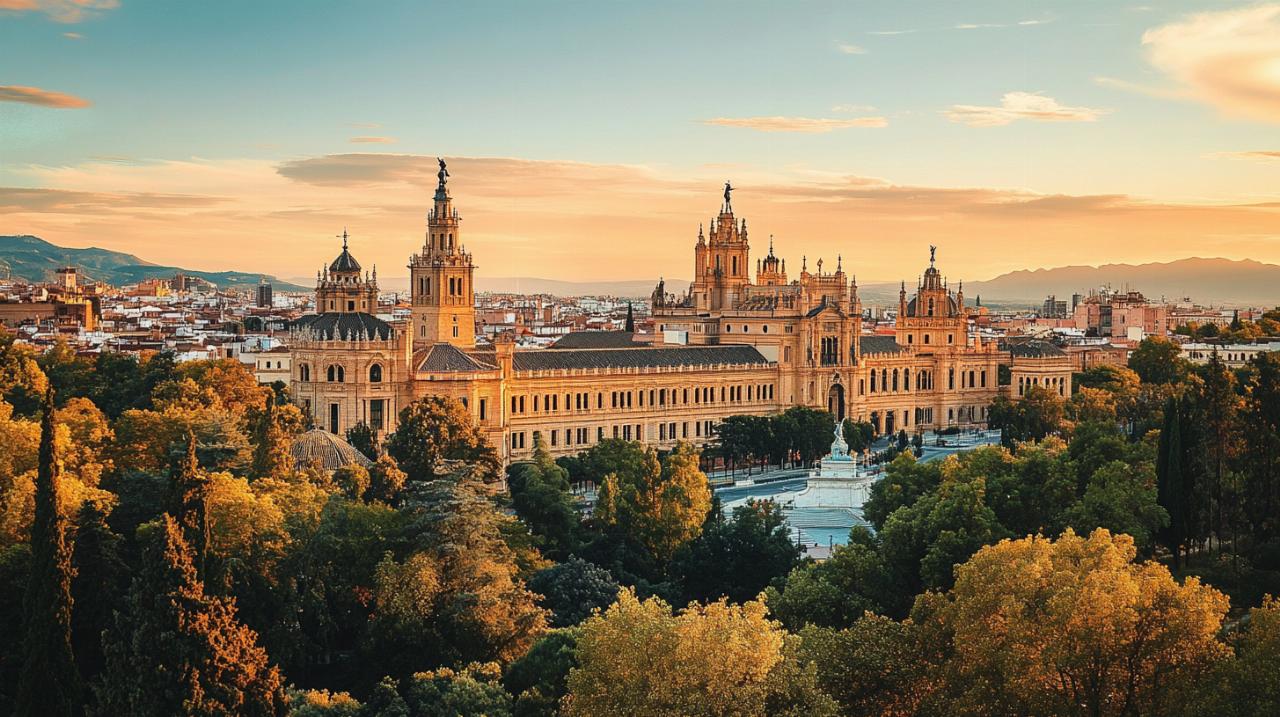
Personal growth and skills development whilst volunteering
The benefits of volunteering extend well beyond the communities being served. Participants frequently report significant personal growth, including increased confidence, enhanced communication skills, and a deeper sense of global citizenship. The experience of navigating a new cultural environment, overcoming language barriers, and adapting to unfamiliar routines fosters resilience and self-reliance. These qualities are invaluable, particularly for students considering a gap year or those seeking to broaden their horizons before embarking on further studies or careers.
Organisations offering volunteering programmes in Spain have been facilitating such experiences since the early nineties, ensuring that they are well-equipped to support participants throughout their journey. Many provide comprehensive packages that include airport pick-up, shared accommodation near project sites, intensive Spanish language courses, and up to twenty hours of volunteer work per week. Additional benefits such as equipment and materials, guidance from experienced coordinators, leisure and cultural activities, certificates of completion, and round-the-clock emergency support ensure that volunteers feel secure and valued.
For those interested in medical internships, undergraduate students aged eighteen and over can participate in specialised programmes that combine clinical observation with cultural immersion. These internships, available during the summer months, offer a unique opportunity to gain insight into the Spanish healthcare system whilst developing professional skills and building a network of international contacts. Although such programmes come at a cost, they represent a worthwhile investment for aspiring medical professionals seeking to enhance their resumes and broaden their understanding of global health practices.
Spain's reputation as one of the top four destinations for volunteers is well deserved. The country's excellent transport links, low cost of living compared to other Western European nations, and abundant sunshine create an inviting environment for those seeking to make a difference. The culturally liberal and LGBT-friendly atmosphere further enhances Spain's appeal, ensuring that volunteers from all backgrounds feel welcome and respected. Safety is generally high, although visitors are advised to remain vigilant against pickpocketing in tourist areas and to secure comprehensive travel insurance before departure.
Planning a volunteering trip requires careful preparation, ideally beginning three to four months in advance. Prospective volunteers should complete a detailed profile, including a photograph, nationality, travel preferences, and personal information, and then craft a polite and informative message to potential hosts. This message should demonstrate an understanding of the host's needs, indicate availability, outline interests, and mention any dietary requirements. Once terms are agreed upon, flights can be booked, and it is wise to have a backup plan in case circumstances change unexpectedly. Visa requirements vary depending on nationality, with many visitors able to stay for up to ninety days without a visa, though those planning longer stays should investigate visa processing options.
Whether you are drawn to the idea of teaching English, caring for animals, restoring historic buildings, or promoting sustainable agriculture, Spain offers a diverse array of volunteer opportunities that cater to a wide range of interests and skill sets. The chance to live and work in such a captivating country, to contribute to meaningful projects, and to grow personally and professionally makes volunteering in Spain an experience that is both rewarding and transformative. As you consider your options, remember that the journey is as important as the destination, and the connections you make along the way will enrich your life in ways you never imagined.